YAMAHA Speedometer Vector Gauge RX1 2013-6
fits model: 1000. make: Yamaha. year: 2003–2005.
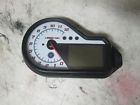
( Part Type: Speedometer Gauge )
Review YAMAHA 2013 Speedometer Vector Rx1 Speedo Gauge fits 1000 2003–2005
The Yamaha 1000 Speedometer, model years 2013-2016, is a high-quality, precision instrument designed specifically for Yamaha motorcycles, including the Vector (2003), RX1 (2004), and other compatible models. This speedometer is a vital component of your motorcycle's dashboard, providing essential information about your speed and overall vehicle performance.
The 2013-2016 Yamaha 1000 Speedometer features a large, easy-to-read dial with a high-contrast white background and black numbers, ensuring clarity even in direct sunlight or low-light conditions. The dial is surrounded by a protective bezel, ensuring the speedometer's longevity against impact and wear. The speedometer is also equipped with a 6-digit odometer, allowing you to track your total mileage accurately.
The speedometer is powered by a reliable and accurate engine, ensuring consistent and reliable readings. It is designed to withstand the rigors of regular use, with a sturdy construction that can withstand vibrations and other environmental factors. The speedometer is also waterproof, ensuring it remains functional even in wet conditions.
Installing the Yamaha 1000 Speedometer is straightforward, with clear and easy-to-follow instructions included in the package. The speedometer is compatible with a wide range of Yamaha motorcycles, making it a versatile and convenient upgrade for many riders.
In summary, the Yamaha 1000 Speedometer is a high-quality, reliable, and durable instrument that provides essential information about your motorcycle's speed and mileage. Its large and easy-to-read dial, sturdy construction, and waterproof design make it an ideal choice for any Yamaha motorcycle owner.
Yamaha motorcycles are known for their reliability, performance, and stylish design. Here are some pros and cons to consider when buying a Yamaha 1000 from different model years:
Yamaha Vector (2003)
Pros:1. Affordable price point compared to newer models.
2. Reliable engine and chassis, with a reputation for durability.
3. Adequate power and handling for a beginner or casual rider.
Cons:1. Older technology and features, such as an outdated digital display.
2. Limited aftermarket support and availability of replacement parts.
3. Lower resale value compared to newer models.
Yamaha RX-1 (2004)
Pros:1. Powerful engine and aggressive styling.
2. Good suspension and handling, making it suitable for sport riding.
3. Decent fuel economy for its class.
Cons:1. Expensive price point compared to other used bikes.
2. Limited availability of aftermarket parts and modifications.
3. Older technology and features, such as a basic digital speedometer.
Yamaha FJR1300 (2006)
6-speed version
Pros:1. Smooth, powerful engine with excellent fuel economy.
2. Comfortable seating and long-distance touring capabilities.
3. Advanced technology, such as cruise control and ABS.
Cons:1. High price point compared to other used bikes.
2. Heavy weight and larger size, making it less agile than smaller bikes.
3. Limited aftermarket support and availability of replacement parts.
Conclusion:All three options have their strengths and weaknesses, and the best choice will depend on your personal preferences and needs as a rider. If you're on a tight budget, the Yamaha Vector may be a good option. If you're looking for power and performance, the Yamaha RX-1 could be the right fit. For long-distance touring and advanced technology, the Yamaha FJR1300 is worth considering.
Recommendation:I would recommend the Yamaha FJR1300 if you have the budget and are looking for a comfortable and technologically advanced bike for long-distance touring. If you're on a tighter budget, the Yamaha Vector may be a more practical choice, but keep in mind that you may need to invest in aftermarket upgrades to improve its features and performance. Ultimately, it's important to test ride each bike to determine which one feels best for you.
Details:
Canada buyers first.
- $19.99
Offer:
- best offer: true
- Started: January 23, 2015, 6:26 pm
- # Sold: 0
- # bids: 0
- quantity: 1
Seller:
- zipcode: 83687
- city: Nampa, Idaho
Shipping:
- type: Flat
- cost: $0.0
- handling: 1 days
General:
- condition: Used
- Motors > Parts & Accessories > Snowmobile Parts > Accessories
- in stock: Yes
Payments:
- PayPal
Ratings:
- GREAT AAAAAAAAAAAAAAAAAAAAAAAA+++++++++++++++++++++++ 01-21-15
- Easy to deal with positive experience 01-21-15
- very good to deal with quick shipper!!! 01-22-15
- Fast Service 01-22-15
Returns:
- policy: returns accepted
- time: 14 Days
- type: Money back or exchange buyer's choice
- paid by: Buyer
Yamaha Is Similar To:
- Ties Nytro Screws Yamaha Attack Rx-1 Apex 10lbs Nuts Clamps Bolts Zip Vector (29% similar) These are all from yamaha snowmobiles ,nitro ,apex ,attack rage, vector,rx 1,WARRIOR, years. You get what you see in the pictures. For sale are 10LBS of yamaha bolts, screws, zip ties ,nuts,clamps, clutch bolt lots of little parts...(September 29th, 2014)
- 2005 2007 Prices 2006 Service Rs90 Rs Manual Repair Vector Er Gt Mountain Se Yamaha (26.3% similar) ...(June 11th, 2015)
- Vector 2012 Rs Yamaha 2010 Repair Gt Ltx Service Manual Prices 2011 Rs90 Ltxgt (31.3% similar) ...(June 11th, 2015)
- Air Box 3-cyl 2005 Vector Nytro 2014 Inlet Venture Yamaha Rage Intake (38.6% similar) 50 apiece for. Condition used, but in good condition. No damage, no cracks. Item oem yamaha air box assembly, removed from a 2006 yamaha vector gt. Will fit other model's, see part number and model list below. 14 day money back guarantee be sure to ask questions before buying...(February 4th, 2015)
- 3fv-28386-00-00 2 Yamaha Apex Nytro Vector Special Fastener Dzus Zeus Clip D Ring (26.7% similar) Call or with any questions RX1 2006 VECTOR 2006 apex yamaha LTZ yamaha attack 2007 yamaha hazer. Part is in good shape...(December 26th, 2015)
- 4xv-83513-00 Yamaha Lot Of Oem Dampers Speedometer Headlight Tailight New (23.9% similar) ...(March 5th, 2018)
- 2003 2004 679-9883 Rx1 Yamaha 1000 Track 2013-6 Stock 2005 Vector 151 (38.6% similar) Canada buyers first...(December 18th, 2014)
- Cable 8h8 00 540 Speedometer 83550 Yamaha Ec (38.9% similar) New, part number 8H8. Bahama ec 540 speedometer cable...(July 15th, 2014)
- 96 Gauges Speedometer 600 89a-83500-41-00 Tachometer 500 94 Vmax 95 Yamaha (39.2% similar) Yamaha part number is 89A no cracks or breaks. It is in great used condition...(July 11th, 2015)
- 8e3-47721-10 Smalls Yamaha Oem Speedo Or Tach Guage Housing Cover Et (33.6% similar) ...(September 14th, 2018)
- 8e6-47711-10 Yamaha Oem Speedometer Guage Housing Enticer Series (24.1% similar) ...(March 18th, 2019)
